
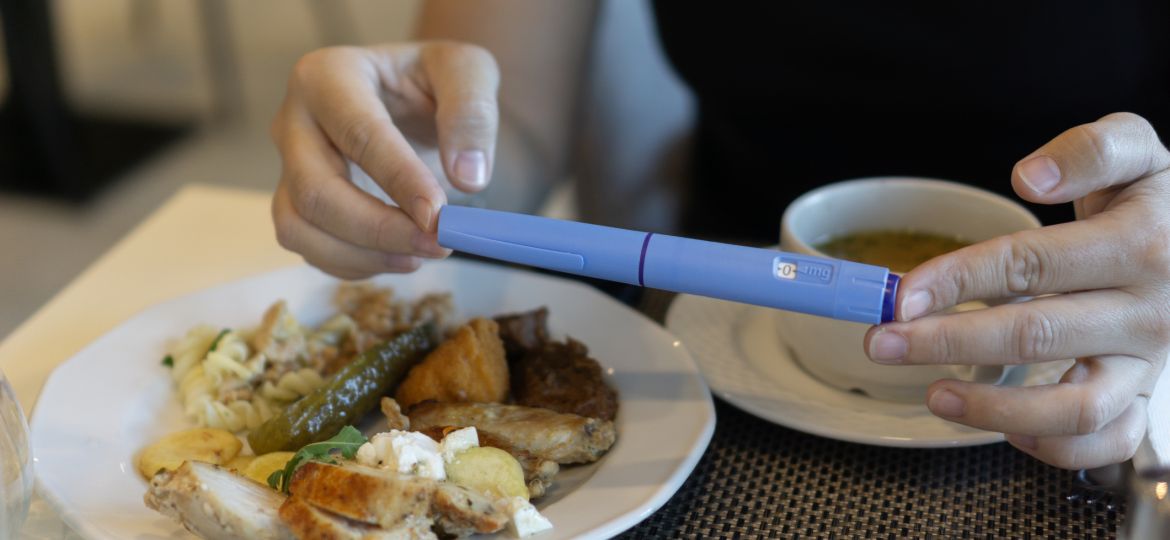
The FDA’s December 2025 approval of oral semaglutide (Wegovy) for chronic weight management marks a significant shift in obesity treatment—and a meaningful distinction for workers’ compensation stakeholders. Unlike Rybelsus, the same molecule approved in 2019 for type 2 diabetes, Wegovy’s indication is weight loss. In workers’ compensation, where approved indications drive compensability decisions, knowing which oral semaglutide is prescribed—and why—matters. The GLP-1 class also carries approvals for cardiovascular risk reduction in patients with established heart disease, further broadening the landscape of potential indications workers’ compensation professionals may encounter. For workers’ compensation professionals, this development raises important questions about compensability, utilization, cost management, and patient outcomes.1
A New Option, Not a Cost Solution
The approval of oral Wegovy represents genuine clinical progress. In the phase 3 OASIS 4 trial, patients taking the 25 mg daily dose who adhered to treatment lost an average of 16.6% of their body weight over 64 weeks, results comparable to the injectable version.2 For individuals hesitant about self-administered injections, an oral formulation removes a meaningful barrier to treatment.
However, early pricing signals confirm that the oral formulation will not represent a cost breakthrough for payors. Despite hopes that oral formulations would be less expensive to manufacture and distribute, initial list prices appear similar to existing injectable GLP-1 products.3 While cash-pay patients may see modest savings through direct manufacturer programs (Novo Nordisk has offered a starting dose of $149 per month for out-of-pocket purchasers), workers’ compensation payors and insurers should expect cost structures comparable to injectable GLP-1 agents.
Understanding Real-World Adherence Challenges
Clinical trial results are promising, but they don’t always reflect real-world outcomes. Oral Wegovy requires strict dosing conditions: patients must take it on an empty stomach at least 30 minutes before consuming any food, beverages or other medications.4 For injured workers managing multiple prescriptions, pain medications, or shift work schedules, this daily routine could pose significant adherence challenges. Beyond the dosing window, the side effect profile of oral GLP-1 agents presents its own barrier. Gastrointestinal adverse effects like nausea, vomiting, diarrhea, and constipation are among the most reported reasons patients discontinue therapy, and these effects can be more pronounced during the dose-escalation phase in the first weeks of treatment—a phase that both oral and injectable GLP-1 formulations require. The need for gradual dose escalation is not unique to the pill; it is a class-wide characteristic driven by tolerability, meaning any patient starting a GLP-1 agent, regardless of form, will go through a period of heightened GI burden before reaching a therapeutic maintenance dose. For an injured worker already navigating pain and recovery, tolerating that adjustment period may simply not be feasible.
Real-world evidence already suggests that GLP-1 adherence outside controlled studies can be inconsistent.5 Studies tracking real-world GLP-1 use have found that a substantial proportion of patients discontinue within the first year, with some analyses reporting that fewer than half remain on therapy at 12 months. Add the complexity of coordinating an empty stomach window and managing GI side effects into a recovery routine, and the gap between trial efficacy and actual patient outcomes may widen considerably. For workers’ compensation payors, early identification of patients at risk for non-adherence, and proactive clinical support, will be essential to realizing any clinical or cost benefit from this therapy class.
The Utilization Question
Perhaps the most significant consideration for stakeholders across every healthcare program is utilization growth. GLP-1 medications were already driving substantial pharmacy spending increases before oral formulations entered the market.6 Now, with a pill option that appeals to injection-averse patients, demand is likely to expand further which isn’t necessarily problematic. In fact, for appropriately selected injured workers, GLP-1 therapy may represent one of the more meaningful clinical tools available.
Obesity is a well-documented complicator of recovery: it prolongs disability duration, increases the risk of surgical complications, worsens musculoskeletal conditions like lumbar spine disease and knee osteoarthritis, and is strongly associated with comorbidities (e.g., type 2 diabetes, hypertension, sleep apnea) that independently drive claim complexity and cost. Addressing obesity through effective pharmacotherapy can therefore produce a cascade of benefits: improved surgical candidacy, faster functional restoration, reduced reliance on opioid pain management and better engagement with physical therapy and rehabilitation. From a total-claim perspective, the holistic value of meaningful weight reduction may extend well beyond the scale, potentially shortening disability duration, reducing secondary medical costs and supporting a more sustainable return to work. When used appropriately, GLP-1 medications can support better health trajectories for injured workers. The challenge lies in ensuring that increased utilization aligns with genuine clinical necessity—and that means applying clear, consistent criteria. Appropriate use should be guided by FDA-approved indications, documented BMI thresholds (generally a BMI ≥30, or ≥27 with a qualifying comorbidity), demonstrated medical necessity tied to functional recovery goals, and a commitment to monitoring and documenting therapeutic progress. Without these guardrails, the clinical potential of GLP-1 therapy can quickly translate into open-ended spend without measurable claim benefit.
A Relationship-Focused Approach
At Preferred Medical, we believe the most effective pharmacy management strategies balance clinical evidence, cost considerations and, most importantly, the individual needs of injured workers. The availability of oral GLP-1 medications expands treatment options, which is valuable. But expanding options doesn’t eliminate the need for thoughtful evaluation, ongoing monitoring and transparent communication between all parties involved in the claim. Our role is to help claims professionals navigate these decisions with clarity and confidence. That means providing up-to-date clinical information, identifying potential adherence barriers before they impact outcomes, and ensuring that pharmacy decisions support the broader goal of helping injured workers recover and return to productive lives.
Looking Ahead
Oral GLP-1 medications are here to stay, and their footprint in workers’ compensation will likely grow. Approaching that growth strategically means holding utilization to a clear standard—FDA-approved indications, documented medical necessity, and functional recovery goals with measurable progress. It also means asking a foundational compensability question before authorizing treatment: is the obesity directly tied to the work injury—such as significant weight gain following prolonged post-injury immobility—or is it a pre-existing condition the claim shouldn’t bear? Getting that analysis right, consistently and early, is where thoughtful pharmacy management creates lasting value.
1 Novo Nordisk A/S. Wegovy pill approved in the US as first oral GLP-1 for weight management. News release. December 22, 2025. Accessed February 13, 2026. https://www.novonordisk.com/news-and-media/news-and-ir-materials/news-details.html?id=916472
2 Wharton S, Lingvay I, Bogdanski P, et al. Oral semaglutide 25 mg in adults with overweight or obesity. N Engl J Med. 2025;393:1077-1087.
3 Grossi G. 5 things to know about the oral GLP-1 era. AJMC®. February 6, 2026. Accessed February 13, 2026.
4 Wegovy (semaglutide) tablets [prescribing information]. Plainsboro, NJ: Novo Nordisk Inc.; 2025.
5 Gleason PP, Urick BY, Marshall LZ, et al. Real-world persistence and adherence to glucagon-like peptide-1 receptor agonists among obese commercially insured adults without diabetes. J Manag Care Spec Pharm. 2024;30(8):860-867.
6 Gleason PP, Urick BY, Marshall LZ, et al. Real-world persistence and adherence to glucagon-like peptide-1 receptor agonists among obese commercially insured adults without diabetes. J Manag Care Spec Pharm. 2024;30(8):860-867.